
Double-sided and corner stoves: heating two rooms from one fire is an appealing solution when a conventional front-facing stove leaves part of your home feeling disconnected or under-heated. Rather than installing two separate appliances, the right multi-view stove can bring a real flame, useful warmth and a strong design feature to adjoining rooms, open-plan areas or an awkward corner. It is a premium choice, but one that can make everyday living feel far more comfortable and considered.
Whether you are renovating a period property, planning an extension or simply improving the way your living spaces work together, the key is choosing a stove that suits the room layout, heat demand and available flue route. Here is what to consider before you buy.
You may also find Inglenook Fireplaces: Fitting a Stove into a Period Opening useful for related guidance.
Why choose double-sided and corner stoves for heating two rooms from one fire?
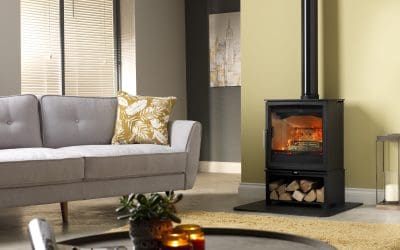
A double-sided stove has glass on opposite sides, allowing the fire to be enjoyed from two spaces at once. It can sit within a dividing wall between a lounge and dining room, for example, or act as an elegant visual break in a larger open-plan kitchen-living area. Instead of one room having the fire and the other merely receiving overflow warmth, both sides benefit from the same inviting focal point.
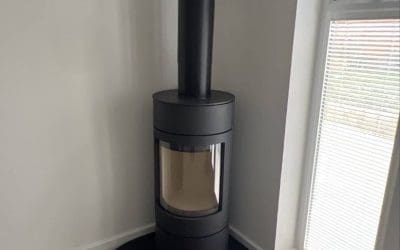
A corner stove is designed with glass around two adjoining sides. It is ideal where a standard flat-fronted stove would feel boxed in, such as the corner of a modern extension or a room with wide glazing. The flames remain visible from more angles, helping the appliance feel less like a functional heater and more like a central part of the interior.
The biggest buyer benefit is simple: one carefully selected appliance can improve the look and feel of more than one area. You gain a clearer view of the fire, a more balanced use of space and potentially reduce reliance on background heating in the rooms the stove serves.
Choose the right layout for your home
The visual impact is important, but layout should lead the decision. A double-sided model works best when there is a natural partition between two rooms or zones. It is particularly effective in properties where internal walls are being altered as part of a renovation, because the fireplace opening and flue can be designed into the project from the outset.
Corner stoves make sense when the fire needs to be visible across a single main room. A two-sided corner glass arrangement can soften hard angles, make compact rooms feel more open and ensure the flames are not hidden from the seating or dining area.
Before settling on a design, think about:
- Where people sit and spend time: prioritise a view of the flames from the positions you use most.
- How the rooms connect: open doorways and broad openings allow heat to travel more readily than narrow, closed-off routes.
- Furniture placement: maintain safe clearances and avoid a layout that forces sofas or dining furniture too close to the appliance.
- The flue path: a visually perfect position still needs a safe, practical route to the outside.
- Future plans: if you expect to remove a wall or extend the property, choose with the finished layout in mind.
If your project includes a large original fireplace, our guide to fitting a stove into a period inglenook may also help you understand how proportions, opening size and installation details affect the finished result.
Heat output matters more than maximum power
It is easy to assume that a stove serving two rooms should be as powerful as possible. In reality, an oversized appliance can make both rooms uncomfortably hot, particularly in well-insulated homes. The goal is dependable, controllable warmth, not an output figure that looks impressive on paper.
Room volume, insulation, glazing, ceiling height and whether doors are normally open will all influence the output required. Two smaller connected rooms may need less heat than one large, draughty room with high ceilings. A double-sided stove also distributes radiant heat differently because both glazed faces are working within the space.
Fuel choice affects convenience as well as the character of the fire. A wood-burning or multi-fuel stove suits households that enjoy the ritual of tending a real fire and have suitable fuel storage. Gas can offer instant, controllable heat and a convincing flame with less hands-on work. Electric and biofuel options can be worth considering where a conventional chimney or flue is not viable, although their heating capability and installation requirements vary by model. For a broader comparison, read log burner, gas fire or electric: which should you choose?.
You may also find Boiler stoves: heat your home and hot water with one efficient appliance useful for related guidance.
Installation questions to answer before you buy
Multi-view stoves need specialist planning. The appliance may be the centrepiece, but the safe installation behind it is what determines how well it performs. Do not choose a model solely from photographs or dimensions online without checking the building, chimney and ventilation requirements.
For a solid-fuel stove, a suitable flue system, hearth, combustible clearances and adequate air supply are essential. In many homes, this may involve lining an existing chimney or fitting a new insulated twin-wall flue. The appliance location can also affect how the flue passes through floors, ceilings and the roof.
Useful questions to raise at the planning stage include:
- Is there an existing chimney in the desired position, and is it suitable?
- Will a flue liner or a new flue system be needed?
- What heat output is appropriate for both spaces?
- Can the dividing wall safely accommodate the stove, fireplace construction and required clearances?
- Will the work need to be coordinated with builders, plasterers, joiners or a kitchen installer?
There is no advantage in rushing this stage. Getting the technical details right protects the investment, helps the stove operate efficiently and avoids costly compromises later. Our article on whether you need a flue liner explains some of the signs and practical considerations involved.
Is a two-sided stove worth the investment?
A double-sided or corner stove generally costs more to buy and install than a straightforward single-sided model. There is more glass, more engineering and often more building work. That does not make it an indulgence; it means the appliance should deliver a result a standard stove cannot.
It is likely to be worthwhile if you want to unite two rooms without losing their distinct functions, make an open-plan room feel warmer and more defined, or create a memorable focal point visible from several angles. It can also be a smart use of space: one fire, one fuel source and one installation can replace the need for separate features in each room.
It may be less suitable where rooms are usually closed off, where the available wall is too narrow for safe clearances, or where the required output would overheat one of the areas. In those situations, a compact conventional stove may offer the better day-to-day result. See our advice on small log burners for smaller rooms and cottages if space and output are your primary concerns.
Make one fire work harder for your home
A well-planned multi-view stove does more than heat a room. It gives connected spaces a shared atmosphere, adds visible comfort on darker evenings and turns an ordinary partition or unused corner into a feature with purpose. The best choice is not simply the widest glass or the highest output; it is the model that complements your layout, lifestyle and installation options.
Start by looking at where warmth and flame visibility will make the greatest difference, then seek advice on the right fuel type, output and flue arrangement before committing to a design. With the right specification and professional installation, one fire can become the feature that brings two rooms together.
You may also find Servicing and chimney sweeping: keep your stove safe, efficient and legal useful for related guidance.
Frequently asked questions
Can a double-sided stove heat two separate rooms?
Yes. A double-sided stove can provide radiant heat to both sides of a dividing wall, making it well suited to connected rooms or open-plan zones. The amount of heat each space receives depends on the stove output, room sizes, insulation, ventilation and whether doors are open.
Do double-sided stoves need two flues?
Normally, no. A double-sided stove is one appliance and usually connects to one correctly specified flue system. The exact arrangement depends on the fuel type, appliance instructions and the property, so the flue should always be designed and installed by a competent professional.
Are corner stoves only for large rooms?
No. Corner stoves can work particularly well in compact or contemporary spaces because their two-sided glass improves flame visibility without requiring a large central fireplace. Correct heat output, clearances and furniture positioning are more important than room size alone.
Is a double-sided stove more expensive to install?
It can be. Double-sided installations may require a purpose-built dividing wall, more complex fireplace construction and careful flue planning. However, the added cost can be worthwhile when one appliance replaces the need for separate fires and creates a feature across two living areas.