
Choosing a new fire should make your home feel more comfortable, not leave you buried in technical details. Log burner, gas fire or electric: which should you choose? The right answer depends less on trends and more on how you want to use the room, the type of property you have and how involved you want to be in creating that cosy evening glow.
A wood-burning stove can deliver the traditional ritual and substantial warmth many homeowners want. A gas fire offers responsive heat and a real flame without the fuel store. An electric fire is often the simplest route to a striking focal point, especially where fitting a chimney or gas supply is not practical. Here is how to choose with confidence.
You may also find Small Log Burners: The Best Stoves for Small Rooms and Cottages useful for related guidance.
Log burner, gas fire or electric: which should you choose for your lifestyle?
Start with your everyday routine. It is easy to be drawn to the appearance of a fire, but the best purchase is one you will genuinely enjoy using.
- Choose a log burner if you enjoy a real fire, have suitable flue arrangements or can have them installed, and are happy to source, season and store wood.
- Choose a gas fire if you want convincing flames and effective, controllable heat at the touch of a button or remote.
- Choose an electric fire if ease of installation, low-maintenance ownership and flexible design are at the top of your list.
Consider when the fire will be used, too. If you want to take the chill off a living room for an hour in the evening, the instant control of gas or electric can be particularly appealing. If your priority is making a larger room feel properly warm through a winter afternoon, a correctly specified stove may be the more satisfying choice.
It is also worth thinking beyond the main lounge. Electric fires work well in bedrooms, extensions, apartments and media walls. A gas fire can transform an existing fireplace into a dependable source of heat. A stove can become the heart of a period home, cottage or open-plan living space when it is sized and installed correctly.
Why choose a log burner?
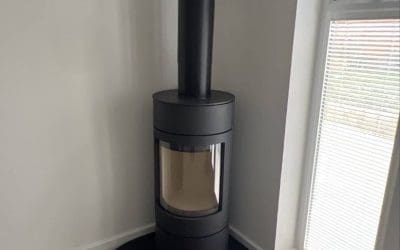
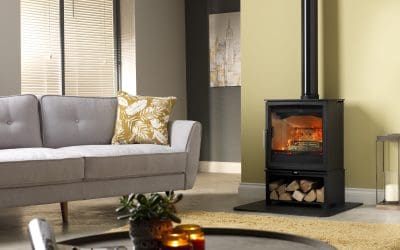
Nothing quite replaces the character of a genuine wood fire. The crackle, radiant warmth and view of the flames make a stove a centrepiece rather than simply another appliance. For many buyers, that atmosphere is reason enough. Modern models also come in a wide choice of traditional and contemporary styles, so you do not have to compromise on the look of the room.
A log burner is a strong option when you want a more independent form of room heating and have the space to store dry fuel. It can produce a deep, lasting warmth that suits homes where the fire is used regularly during colder months. If you are furnishing a compact space, choosing the right output matters more than choosing the largest stove; an oversized model can make a small room uncomfortably hot. Our guide to small log burners for rooms and cottages is a useful place to begin.
The trade-off is involvement. You will need suitable seasoned or kiln-dried wood, regular ash removal and a chimney or flue system designed for the appliance. Stoves also need professional installation and ongoing sweeping and servicing as appropriate. Those are not reasons to rule one out, but they should be part of the decision from day one.
Before buying, have the room assessed for heat requirement, ventilation, hearth, clearance distances and flue suitability. If you are unsure about the chimney, read how to tell whether you need a flue liner. Getting these fundamentals right protects performance, safety and your enjoyment of the stove.
Why choose a gas fire?
A gas fire gives you much of the visual appeal of a real flame with far less preparation. There are no logs to carry through the house, no ash pan to empty and no waiting for the appliance to get going. Turn it on, select a heat setting and enjoy a welcoming focal point. For busy households, that convenience is a serious advantage rather than a minor luxury.
Gas fires are available in many formats, from traditional inset fires that refresh an existing fireplace to contemporary hole-in-the-wall, balanced-flue and glass-fronted designs. This makes them a practical choice if you want the look of a built-in feature while retaining responsive heating. Many people find the level of control reassuring: you can enjoy the flame effect and warmth without committing to a full evening of stove tending.
The key consideration is suitability. A gas fire must be selected for the property, installed by a suitably qualified Gas Safe registered engineer and serviced in line with the manufacturer’s guidance. Some models use a conventional chimney or flue, while balanced-flue options are designed for homes without a conventional chimney, subject to the correct installation conditions.
If you already have a gas supply and want real-fire ambience with minimal day-to-day maintenance, gas is often the natural middle ground between wood and electric. It is especially attractive for homeowners who want a polished fireplace feature that is ready whenever the room needs it.
You may also find Boiler stoves: heat your home and hot water with one efficient appliance useful for related guidance.
Why choose an electric fire?
Electric fires have become a first-choice option for homes that need design freedom and straightforward ownership. They are ideal where a chimney is unavailable, a gas connection is not wanted, or you simply want to avoid disruptive building work. In many cases, you can create an impressive focal point with a suitable electrical supply and an appropriately designed installation.
Modern electric flame effects can add movement, depth and colour to a room, with many models offering flame-only settings for year-round ambience. That means you can enjoy the visual impact on a mild spring evening without adding heat. Wall-mounted fires, inset models, suites and media-wall installations provide options for everything from a neat alcove to a statement living space.
Electric is also the lowest-maintenance route. There is no flue to sweep, no fuel to purchase and no combustion within the room. For renters or homeowners planning a future move, it can be an appealing way to improve a room without committing to a major fireplace project.
The main objection is usually heat output. An electric fire is often best viewed as a convenient room heater and visual feature rather than a replacement for a whole-home heating system. That is not a drawback when it matches your needs: for a snug, bedroom, dining room or well-insulated lounge, it can be exactly the simple, stylish solution you are looking for.
Compare installation, upkeep and long-term value
Price matters, but the cheapest appliance on the day is not automatically the best value. Compare the total ownership picture: appliance, surround or fireplace work, flue requirements, professional installation, fuel or energy use, servicing and maintenance.
- Log burners: usually involve the greatest planning because of the flue, hearth, installation and fuel storage. In return, they offer an authentic experience and powerful focal-point appeal.
- Gas fires: require a suitable gas arrangement and professional installation, but give you real flames and easy control with relatively little routine mess.
- Electric fires: are generally the simplest to fit and maintain. They offer broad styling flexibility, though electricity costs and heat requirements should still be considered.
Do not choose by kilowatt rating alone. Room size, insulation, ceiling height, glazing and how you use the space all influence what will feel comfortable. A well-chosen, correctly installed fire is more enjoyable than an overly powerful appliance that spends most of its life turned down.
Think about the room design as well. A stove can suit a hearth-led scheme with natural materials and a traditional fireplace. Gas can provide a clean, built-in finish. Electric makes it easier to place a fire where you want one, rather than where the chimney dictates. If you are shopping around, the clearance range may offer a useful opportunity to find a style you love at a reduced price.
Make the choice that you will enjoy every day
There is no single winner in the log burner versus gas fire versus electric fire debate. A log burner is hard to beat for hands-on atmosphere and radiant warmth. A gas fire suits buyers who want genuine flames and instant convenience. An electric fire is the smart, versatile choice when installation simplicity and modern design lead the brief.
Rather than starting with a product type, start with the outcome you want: a cosy ritual, quick controllable heat, a dramatic feature wall, or an easy upgrade for a room without a chimney. Then match the appliance to the property and ask for advice before committing to the design.
Explore the options, measure your space and speak to a specialist about the practical details. With the right fire in place, you will gain more than warmth: you will have a room people genuinely want to spend time in.
You may also find Smoking, smells, black glass: how to stop your stove causing problems useful for related guidance.
Frequently asked questions
Is a log burner cheaper to run than a gas or electric fire?
It depends on local fuel and energy prices, the efficiency of the appliance, how much heat you need and how often you use it. Wood can be cost-effective when bought well and burned correctly, but it also requires storage and maintenance. Compare the full cost of ownership rather than fuel price alone.
Can I have a gas fire if I do not have a chimney?
Possibly. Some gas fires use balanced flues or other approved flue arrangements instead of a conventional chimney. The property, chosen model and installation location must be assessed by a suitably qualified Gas Safe registered engineer.
Do electric fires need a chimney or flue?
No. Electric fires do not burn fuel, so they do not require a chimney or flue. This makes them a popular choice for apartments, extensions, bedrooms and rooms where fitting a flue would be impractical.
What size stove or fire do I need for my room?
The right heat output depends on the room dimensions, insulation, glazing, ceiling height and whether the appliance is intended as primary or supplementary heat. A professional survey helps prevent choosing a unit that is too powerful or too small for the space.