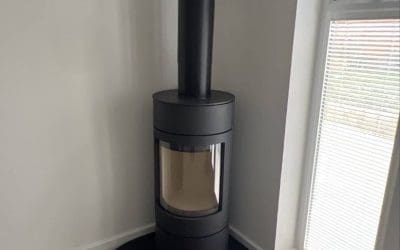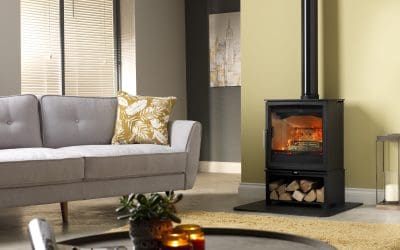
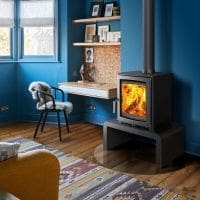
Small log burners: the best stoves for small rooms and cottages are not simply scaled-down versions of larger appliances. Choose well and a compact wood burner can turn a chilly snug, cottage sitting room or modest open-plan space into the warmest, most inviting part of the home. Choose too much stove, however, and you may find yourself opening windows in winter, struggling to run it cleanly and feeling disappointed by the result.
The best small stove balances gentle, controllable heat with an attractive flame picture, sensible footprint and efficient performance. It should suit the room as it is actually used, rather than being selected solely for the size of the fireplace opening. This guide explains what to look for before you buy, helping you make a confident choice that brings real comfort without overwhelming a smaller space.
You may also find Woodburning Stove Installation in Bournemouth useful for related guidance.
Why small log burners are ideal for compact spaces
Many homes do not need the output of a large traditional stove. A cottage lounge with low ceilings, a well-insulated garden room or a compact living room can heat up quickly, especially once a fire has been established. In these spaces, a small log burner gives you the atmosphere and radiant warmth of a real fire while making it easier to maintain a comfortable temperature.
A compact model can also be a strong design choice. It leaves more visual space around a chimney breast, sits neatly in a shallow recess and can work beautifully on a hearth where a bulky appliance would look out of proportion. Modern small stoves are available in both classic and contemporary styles, so it is possible to retain period character in an older cottage or create a crisp focal point in a newer home.
There is a practical fuel benefit too. A smaller firebox generally takes shorter logs and less fuel per load. That does not mean compromising on warmth; it means choosing an appliance that delivers heat at a level your room can use. When paired with dry, suitable fuel and operated correctly, the result is a cleaner, more economical and more enjoyable fire.
Choose the right heat output before the style
For most small rooms, the crucial buying decision is kilowatt output. As a broad starting point, many compact rooms are suited to a stove around 4kW to 5kW, but the correct figure depends on insulation, ceiling height, glazing, room layout and how exposed the property is. Older cottages can be draughtier than modern homes, while a recently renovated, insulated room may need surprisingly little heat.
It is tempting to buy a more powerful stove “just in case”. In reality, an oversized appliance is often harder to live with. To avoid overheating the room, owners may turn the air controls down excessively. This can lead to sluggish combustion, darkened glass and more deposits in the flue. A correctly sized stove is much more likely to burn brightly and efficiently at a useful setting.
- Measure the whole heated space: Include any adjoining areas that are routinely open to the room.
- Think about heat loss: Single glazing, solid walls, high ceilings and exposed locations all affect demand.
- Allow for daily use: A stove used for evening comfort may need a different output from one intended as a main daytime heat source.
- Ask for advice on sizing: A professional assessment is the safest way to avoid paying for heat you cannot comfortably use.
If you are concerned about keeping a stove clean and trouble-free, our guide to lighting and running a stove safely and efficiently is a useful next read. Good operation matters as much as choosing the right model.
Small log burners: the best stoves for small rooms and cottages
The best stove for a smaller room has more to offer than low output alone. Look for a model designed to perform cleanly at a modest heat level, with responsive air controls and a firebox that is easy to load. A clear viewing window is especially valuable in a compact room: it gives you the visual benefit of a larger fire without taking up more floor space.
For a period cottage, a traditionally styled cast-iron or steel stove can sit naturally within an existing inglenook or fireplace recess. Details such as a shaped door, simple handle and understated legs complement rustic beams and original features without making the room feel overdone. If your home is more contemporary, a clean-lined compact stove with a larger glass panel can create a striking focal point while maintaining a lighter look.
Depth is often overlooked. In a narrow room or tight hearth, a shallow-depth stove may be more practical than a wider or deeper design. Check the full appliance dimensions, clearance requirements and hearth arrangement before falling in love with a particular finish. The stove must have enough room to be installed safely and serviced properly; squeezing an appliance into a restricted opening is never a good shortcut.
There is also no need to assume a small stove means a weak flame or limited character. A quality compact model can provide lively flames, effective radiant heat and a reassuringly solid build. The goal is not to fill the fireplace with the biggest possible appliance, but to create a fire that feels perfectly at home in the room.
You may also find Boiler stoves: heat your home and hot water with one efficient appliance useful for related guidance.
Installation details that should shape your decision
A wood burner is part of a complete system, not a standalone purchase. Your chimney, flue route, hearth, ventilation and the construction around the fireplace all influence what can be fitted. This is particularly important in cottages, where chimney breasts may be irregular, recesses can be shallow and historic features deserve careful treatment.
Where an existing chimney is present, it may need inspection and, in many cases, a suitable liner before a stove is connected. A liner can improve the path for flue gases and help the appliance perform as intended. Read our advice on how to tell whether you need a flue liner before planning your project.
Small stoves still require the right clearances from combustible materials, a compliant hearth and an appropriate flue arrangement. Building Regulations and manufacturer instructions must be followed. If your property is in a smoke control area, make sure the stove is suitable for the fuel you intend to burn and the local restrictions that apply. These are not details to leave until after purchase; they can determine which models are genuinely suitable for your home.
A professional installation also protects the enjoyable parts of ownership. When the stove is correctly specified and fitted, you are less likely to experience smoke entering the room, persistent smells or glass that blackens quickly. For help diagnosing these issues, see our article on stopping common stove problems.
Make your small stove work harder without overheating the room
Efficiency is not just a number on a product label. In a small room, it is about getting steady warmth from less fuel and retaining control over the fire. Start with properly seasoned wood with a moisture content of 20% or less. Damp logs waste energy boiling off water, create more smoke and make it harder for a compact stove to burn cleanly.
Use logs that fit the firebox comfortably rather than forcing in oversized pieces. Light the stove according to the manufacturer’s instructions, establish a good flame before reducing the air supply, and avoid permanently starving the fire of air. These simple habits help keep the glass clearer, reduce soot and make every load of wood go further.
Consider the wider room too. Closing internal doors, using curtains after dark and addressing obvious draughts can make a meaningful difference to comfort. In an older cottage, these modest improvements may allow you to select a lower-output stove that is easier to enjoy throughout the heating season.
Find a compact stove you will enjoy for years
A small log burner can make a modest room feel richer, warmer and more welcoming, but the right purchase starts with the space rather than the showroom. Prioritise appropriate output, usable dimensions, clean-burning performance and an installation route that works safely with your property. Then choose the style that makes you look forward to lighting it.
At No1 Fires, we can help you move from a rough idea to a stove solution that suits your room, cottage character and everyday heating needs. Explore options with installation requirements in mind, and speak to our team through the contact page if you would like practical guidance before making your choice.
You may also find Smoking, smells, black glass: how to stop your stove causing problems useful for related guidance.
Frequently asked questions
What size log burner is best for a small room?
Many small rooms suit a stove in the region of 4kW to 5kW, but there is no universal answer. Insulation, ceiling height, glazing, draughts and the size of adjoining open spaces all affect the required output. A professional assessment is the best way to prevent overheating.
Can I put a log burner in a small cottage fireplace?
Often, yes, provided the opening, hearth, chimney and clearances are suitable. Older cottages may need a flue inspection or liner, and the fireplace should never be altered or used without checking the installation requirements for the chosen stove.
Will a small log burner heat an open-plan room?
It can, depending on the total volume of the space and the property’s heat loss. A small stove may be ideal for a compact open-plan area, but a larger or poorly insulated layout could require more output. Size the appliance for the whole area it is expected to heat.
Do small wood burners use less fuel?
A smaller stove generally has a smaller firebox and can use less fuel per load than a larger model. The biggest fuel-saving factors are choosing the right output, burning dry wood with moisture content below 20%, and running the stove with enough air for clean combustion.